

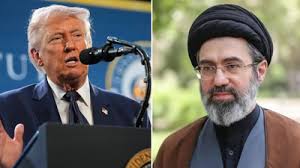

The 2026 Iran War has rapidly become one of the most serious geopolitical crises in recent years. What began as targeted military strikes has escalated into a broader regional conflict involving multiple countries, global trade disruptions, and rising economic uncertainty.
⚔️ How the War Started
The conflict officially escalated on February 28, 2026, when the United States and Israel launched large-scale airstrikes on Iran, targeting military bases, missile systems, and leadership infrastructure.
One of the most significant developments was the killing of Iran’s top leadership, which triggered a massive retaliation. Iran responded with missile and drone attacks on U.S. bases and allied countries across the Middle East.
🔥 Escalation Across the Region
The war quickly spread beyond Iran:
- Missile strikes targeted countries like Saudi Arabia, UAE, and Qatar
- Conflict expanded into Lebanon, involving Hezbollah and Israel
- Hundreds of casualties were reported across multiple regions
Even after attempts at ceasefire, violence continues in parts of the region, showing how fragile the situation remains.
🚢 Strait of Hormuz Crisis
One of the biggest global concerns is Iran’s control over the Strait of Hormuz, a critical route for global oil transport.
- Iran restricted or shut down the passage of ships
- Hundreds of oil tankers were delayed
- Oil prices surged due to supply disruption
Since nearly 25% of global oil trade passes through this route, the impact has been felt worldwide.
🌍 Global Economic Impact
The war is not just a regional issue—it is affecting the entire world economy:
- Global growth forecasts are being downgraded
- Supply chains are disrupted
- Investor confidence has dropped significantly
Experts warn that even if the war ends soon, its economic damage could be long-lasting.
🕊️ Ceasefire & Uncertain Future
A temporary ceasefire has been attempted, but tensions remain high:
- Disagreements between Iran and the U.S. continue
- Key issues like nuclear programs and sanctions remain unresolved
- There are fears the war could restart at any moment
📊 Key Takeaways
- The Iran war began with U.S.-Israel strikes and escalated quickly
- It has spread across multiple Middle Eastern countries
- Global oil supply and economy are heavily impacted
- A fragile ceasefire exists, but long-term peace is uncertain
🔮 What Happens Next?
The future of the Iran war depends on:
- Diplomatic negotiations
- Control of strategic routes like Hormuz
- Political decisions by global powers
For now, the world is watching closely, as this conflict has the potential to reshape global politics, energy markets, and economic stability for years to come.